WHAT WE DO | EMERGENCIES & RESILIENCE
Resilient, responsive health
systems
for now and the future
Delivering, Even in Emergency
EWF supports governments to make health systems more resilient and responsive, enabling primary health care (PHC) to absorb shocks and stresses, including those driven by climate change, while continuing to deliver essential services. By improving emergency preparedness, advancing sustainable financing and addressing climate-related health risks, we help build systems that protect communities today and adapt to an uncertain future.
Emergency Preparedness
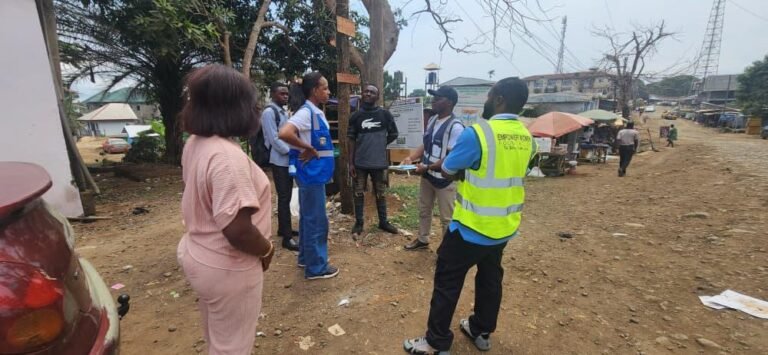
EWF helps countries strengthen their ability to prepare for, respond to and recover from public health emergencies, ensuring that essential services continue even during crises. By building strong coordination systems, improving information flow and training health workers and emergency staff, we help countries develop agile, responsive primary health care systems that can absorb shocks and stresses.
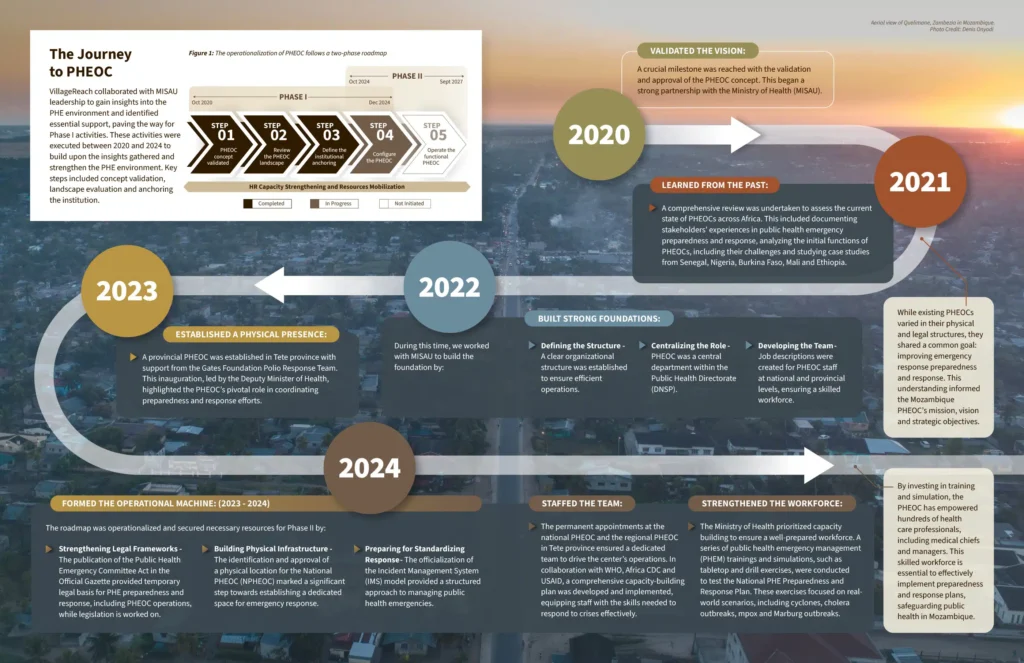
In Cameroon, EWF works with the Ministry of Health to establish and operationalize the Public Health Emergency Operations Center (PHEOC). By co-developing standard operating procedures, providing technical support and building local capacity through training and simulation exercises, Cameroon is better equipped to respond to outbreaks, climate-related events and other emergencies.
Resilient Health Systems
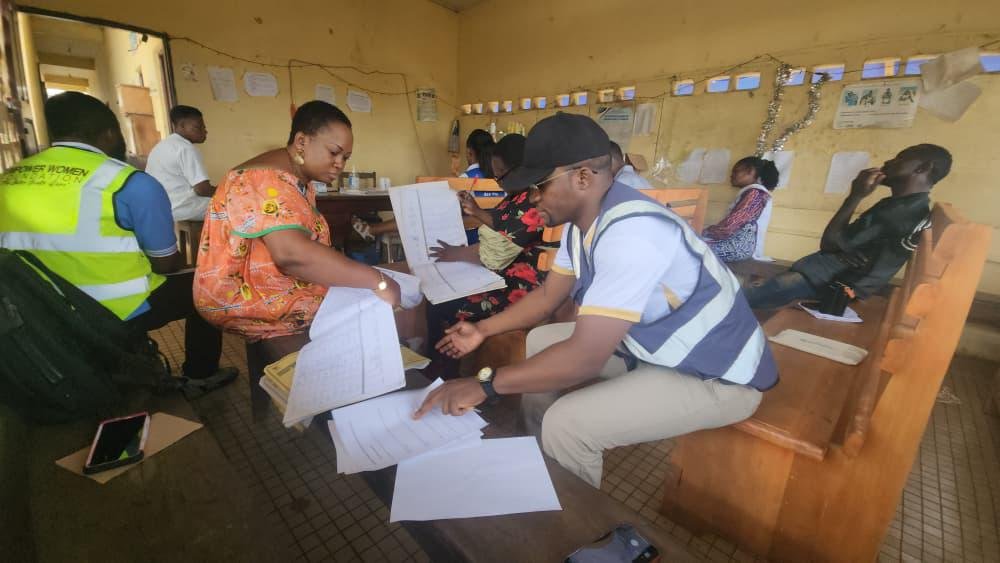
Our approach ensures primary health care remains responsive—able to maintain continuity of essential services, adapt to demand changes, and factor in community needs—in times of stress, while reinforcing sustainable financing, data systems and workforce planning. We’ve supported jurisdictions across Africa to anticipate and respond to temperature extremes, flooding, vector-borne disease outbreaks and water contamination events. These efforts not only enhance resilience but ensure that under‑reached communities aren’t left behind.
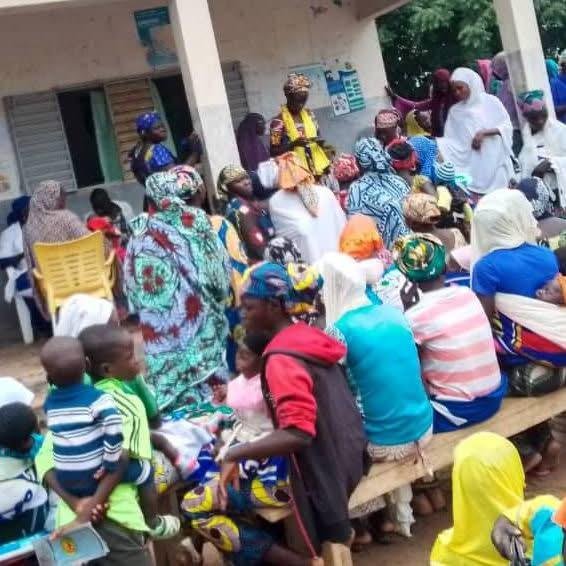
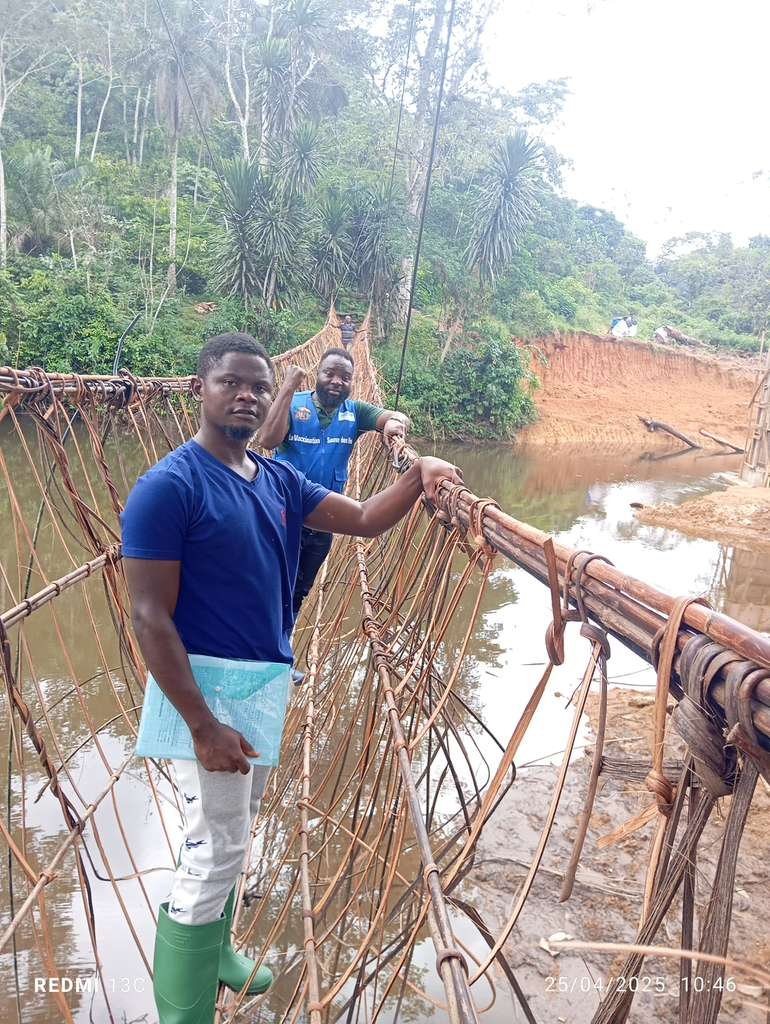
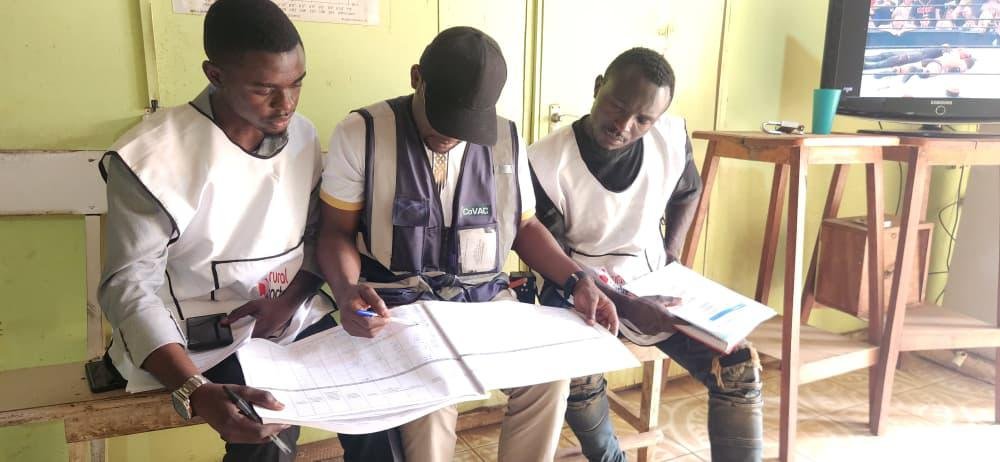
Responding to Cholera outbreak in Idenau
Polio outbreak in the Far North
Monkey Pox outbreak in Konye
Measles outbreak in Muea
Epidemic Response
We know what works because of twenty years of immunization supply chain work across Africa, and we have applied this in our COVID-19 response efforts across two continents and at the global level. VillageReach launched a rapid, community-centered epidemic response, establishing five high-volume vaccination sites in Kinshasa and 35 mobile teams across Abidjan. We co-develop comprehensive implementation guides and playbooks to equip local governments with proven tools for future health emergencies. By combining strategic urban outreach with long-term system strengthening, VillageReach is helping communities respond faster and smarter when epidemics strike.
-
EWF supports vaccine distribution planning and coordinates physical distribution of vaccines and related products, particularly for last mile health facilities and communities are not left out of distribution and access plans.
Our Expertise
-
EWF focuses on increasing demand for vaccines through existing health care hotlines and messaging platforms to advise governments on creating targeted communication strategies.
Our Expertise
-
EWF helps governments and partners implement tools to make the analysis and use of complex data more automated and actionable. For vaccine sites and inventory managers, we have: Helped define minimum user requirements for vaccine scheduling systems; Evaluated potential vendors and rolled out chosen solution(s); Built stock inventory dashboards to manage vaccine stock.
Our Expertise
Early Warning and Disease Surveillance Systems
EWF strengthens early detection and rapid response to disease outbreaks through robust surveillance systems and regional preparedness. We support the development of regional capacity to conduct simulation exercises and critical reviews—such as intra-action and after-action reviews—using established frameworks to accelerate detection and response times.
At the national level, we help countries establish and operationalize PHEOCs for real-time risk assessment and coordinated emergency responses. To improve data integration, VillageReach works with governments to unify diverse surveillance sources into a single digital platform, ensuring accurate, timely information drives action. We also foster inclusive science-policy dialogues that build consensus and align regional priorities for One Health.
These efforts create resilient systems capable of managing current threats and anticipating future epidemics.